
Who Makes Flex Power Tools? Brand Owner, History, and Manufacturing Explained

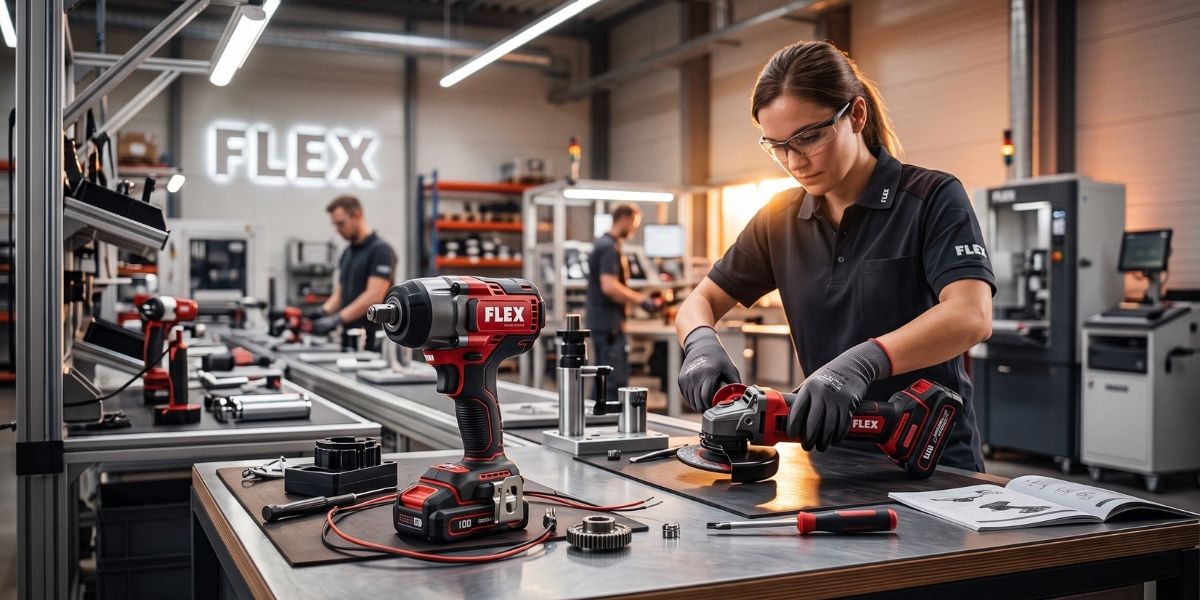
When people ask who makes Flex power tools, the direct answer is simple: Flex power tools are made by FLEX Power Tools, also known as FLEX-Elektrowerkzeuge, a German-origin power tool brand owned by Chervon Group. FLEX has a long history in the professional tool industry and is known for grinders, polishers, sanders, and modern cordless power tools.
Chervon Group acquired FLEX in 2013. Chervon is a global power tool and outdoor equipment company that also owns well-known brands such as EGO and SKIL. This means FLEX is no longer an independent German company, but it still keeps its own brand identity, professional focus, and engineering heritage.
The reason many buyers search for this question today is that FLEX has become more visible in the cordless power tool market, especially with its FLEX 24V cordless lineup. Many contractors, remodelers, woodworkers, metalworkers, and serious DIY users want to know whether FLEX is a trusted brand, who owns it, where the tools come from, and whether the tools are worth buying compared with brands like Milwaukee, DeWalt, Makita, Bosch, and SKIL.
This guide explains who makes FLEX power tools, who owns the brand, whether FLEX is a German tool company, where FLEX tools are made, what the brand is known for, and whether FLEX tools are a good choice for professional or home use.
Who Makes Flex Power Tools?
FLEX power tools are produced under the FLEX brand. The brand is part of Chervon Group, a global company involved in designing, developing, manufacturing, and marketing power tools, outdoor power equipment, and related accessories.
It is important to clear up one common misunderstanding. Chervon Group is not the same as Chevron, the oil and gas company. The names sound similar, but they are completely different companies. Chervon is connected to power tools and outdoor equipment, while Chevron is an energy company.
FLEX continues to operate as a professional power tool brand with its own product identity. Even though Chervon owns the company, FLEX is not simply a renamed version of another tool brand. It has its own history, product range, design approach, and market position.
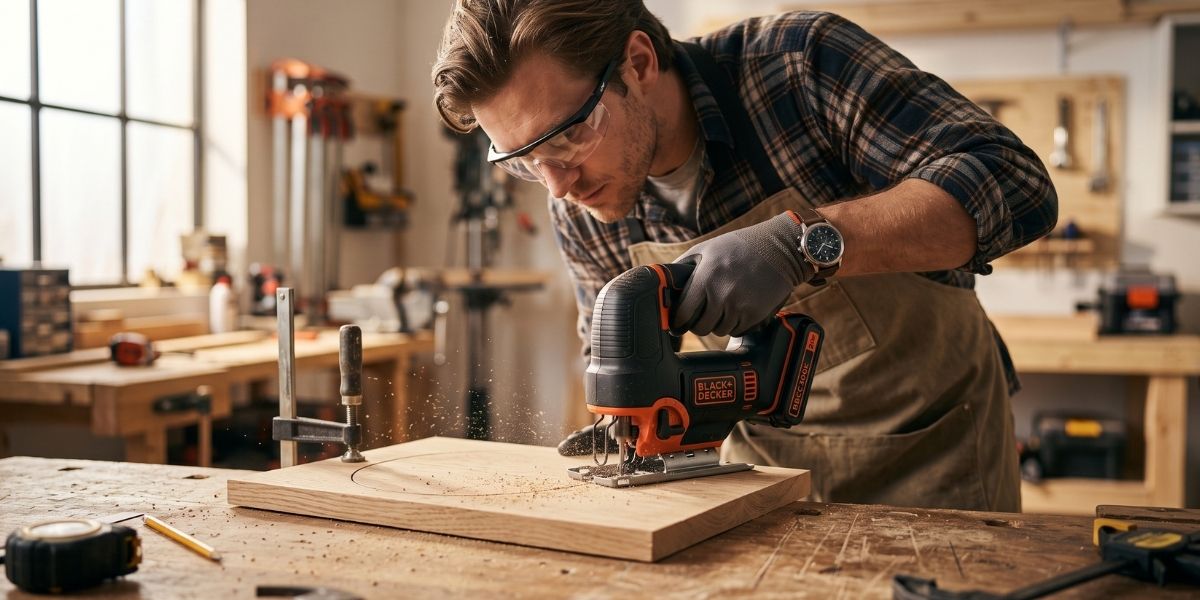
The FLEX brand is especially known for tools designed for professionals and serious users. Its catalog includes corded tools, cordless tools, batteries, chargers, grinders, how to use a jigsaw power tool sanders, polishers, saws, drills, impact drivers, dust extraction tools, and jobsite accessories. In recent years, the FLEX 24V cordless platform has helped the brand become more popular among users looking for a powerful alternative to larger cordless tool ecosystems.
For buyers, the most important point is this: FLEX tools come from a brand with German roots, but the company is now backed by a large global tool manufacturer. This gives FLEX a mix of heritage and modern manufacturing support.
Who Owns Flex Power Tools?
Chervon Group owns FLEX Power Tools. Chervon acquired FLEX Power Tools in 2013 and added the brand to its power tool portfolio. Since then, FLEX has continued to develop and sell tools under the FLEX brand name.
This ownership matters because it explains why FLEX has been able to expand more strongly in the cordless tool market. Developing a modern cordless platform requires major investment in batteries, motors, electronics, chargers, manufacturing, distribution, and service support. Being part of a larger company gives FLEX access to more resources than it would likely have as a smaller independent brand.
Chervon also owns or manages other known tool brands, including EGO and SKIL. EGO is widely known for cordless outdoor power equipment, while SKIL is known for power tools aimed at homeowners, DIY users, and some professional applications. FLEX, however, is positioned more toward the professional side of the market.
Even though FLEX and SKIL are both DEWALT 20V MAX 6-1/2 in connected to Chervon, they are not the same brand. FLEX is generally marketed as a higher-performance professional tool brand, while SKIL has a different product identity and target customer base. This distinction is important for buyers comparing tools across Chervon’s portfolio.
The acquisition did not erase FLEX’s identity. FLEX still uses its own name, product design, and professional positioning. For many users, the combination of German brand heritage and global corporate support is one of the reasons FLEX tools are worth considering.
Is Flex a German Tool Brand?
Yes, FLEX has strong German roots. The company traces its history back to 1922 in Germany. Over time, FLEX became known for professional-grade power tools, especially grinding, sanding, and polishing tools.
FLEX is often associated with the angle grinder category. In fact, the word “flex” is commonly used in some countries as a general term for an angle grinder because of the brand’s long connection with grinding tools. That level of recognition shows how strongly FLEX has been tied to the professional tool industry.
The brand became respected among users who needed reliable tools for metalworking, surface preparation, automotive work, finishing, and construction. Polishers and grinders were especially important parts of the FLEX reputation. Many professional detailers and tradespeople have used FLEX tools for years because of their performance and durability.
Today, FLEX is no longer independently German-owned because it is part of Chervon Group. However, it still carries German engineering heritage as an important part of its identity. The brand’s background, product history, and professional image are still closely connected to its German origins.
So, is FLEX a German tool brand? The most accurate answer is: FLEX is a German-origin power tool brand that is now owned by Chervon Group. That means it has German history and heritage, but it operates as part of a global company today.
Where Are Flex Power Tools Made?
FLEX is now a global power tool brand under Chervon Group. Because of this, its tools may be designed, engineered, manufactured, or assembled through different global operations depending on the product line and market.
It is best not to assume that every FLEX tool is made in one country. Manufacturing can vary by model, tool category, and region. For example, one FLEX product may have a different manufacturing origin than another FLEX product. This is common across many major power tool brands today.
Many well-known tool brands use global supply chains. A brand may have design teams in one country, manufacturing operations in another, and distribution networks across several regions. This does not automatically mean the tools are poor quality. What matters more is the brand’s quality control, product design, materials, testing standards, warranty, and service support.
For the most accurate answer about a specific tool, buyers should check the product label, packaging, owner’s manual, or official product documentation. These sources usually show the manufacturing origin of that exact model.
A safe way to explain it is: manufacturing may vary by product line and market, so buyers should check the label or official product documentation for the specific tool.
This avoids making unsupported claims and gives readers a practical way to confirm the information before buying.
What Company Makes Flex 24V Tools?
The FLEX 24V cordless tools are part of the modern FLEX Power Tools lineup under Chervon Group ownership. The 24V platform is one of the main reasons FLEX has received more attention in recent years.
The FLEX 24V system is designed as a professional cordless platform. It includes batteries, chargers, and a growing selection of compatible tools. The idea behind a cordless platform is simple: one battery system can power many different tools from the same brand. This is important for professionals because it reduces the need to own many different chargers and battery types.
Common FLEX 24V tools include drills, impact drivers, circular saws, reciprocating saws, grinders, multi-tools, lights, batteries, and chargers. For contractors and remodelers, this kind of lineup can cover many everyday jobsite needs.
The 24V platform also helps FLEX compete with other major cordless systems. Most professional users do not buy only one tool. They usually invest in a full battery platform. Once a user owns several batteries and chargers, switching brands becomes more expensive. That is why FLEX’s 24V system is an important part of its market strategy.
For users asking who makes Flex power tools, the 24V lineup is often the reason they are asking. They may see FLEX tools at a retailer, online, or on a jobsite and wonder whether the brand is new, reliable, or connected to a larger manufacturer. The answer is that FLEX is an established German-origin brand now owned by Chervon, and the 24V tools are part of its modern professional cordless system.
What Is Flex Known For?
FLEX is known for professional power tools, especially tools used for grinding, polishing, sanding, and surface finishing. The brand has a long reputation in these categories and has been used by tradespeople, automotive professionals, fabricators, and finishing specialists.
One of the biggest parts of FLEX’s identity is its connection to grinding tools. FLEX has been associated with important grinder innovations, including the development and popularization of high-speed angle grinder technology. This helped the brand become a respected name among users who needed powerful tools for metalwork, cutting, grinding, and surface preparation.
FLEX is also well known in the automotive detailing world. Many detailers recognize FLEX polishers because they are used for paint correction, polishing, and finishing work. A good polisher must be powerful, smooth, controllable, and reliable. FLEX built a strong reputation in that area over many years.
In addition to grinders and polishers, FLEX has expanded into cordless tools, jobsite equipment, dust management products, saws, drills, drivers, and accessories. This expansion has helped the brand move from a specialist reputation into a broader professional tool market.
Today, FLEX is not only a grinder and polisher brand. It is a full power tool brand competing in the professional cordless tool space. However, its history in grinding and finishing still gives it a unique identity compared with brands that became famous mainly through drills, saws, or construction tools.
Are Flex Power Tools Good?
FLEX power tools are generally positioned as professional-grade tools. They are designed for users who need stronger performance, better durability, and more dependable operation than basic homeowner tools.
One of the main strengths of FLEX is its cordless power platform. The FLEX 24V system is marketed toward serious users who want strong battery performance and modern cordless convenience. For contractors, remodelers, and tradespeople, cordless tools can save time and make jobsite work easier because there is less need to manage extension cords.
Another strength is build quality. FLEX tools are typically designed with professional use in mind. This means the tools are expected to handle more demanding tasks than entry-level tools. Professional users often care about power, runtime, ergonomics, durability, and service support. FLEX tries to compete in those areas.
Battery compatibility is also important. Within the FLEX 24V platform, compatible batteries and chargers can be used across different tools in the same system. This can make tool ownership more efficient over time. Instead of buying a separate battery for every tool, users can build a shared battery system.
FLEX also benefits from its long history in grinders, polishers, and finishing tools. A brand with decades of experience in demanding tool categories can carry that knowledge into newer products. While not every tool from any brand is perfect, FLEX has enough history and corporate backing to be taken seriously.
However, whether FLEX tools are the best choice depends on the buyer. A professional who already owns many Milwaukee or DeWalt batteries may not want to switch platforms unless FLEX offers a specific advantage. A new buyer who has not yet invested in a cordless system may find FLEX more appealing.
Before buying, users should consider price, warranty, availability, local service, battery cost, tool selection, and the types of jobs they do most often.
Flex Power Tools vs Other Tool Brands
FLEX competes with major power tool brands such as Milwaukee, DeWalt, Makita, Bosch, and SKIL. Each brand has its own strengths, history, product range, and target audience.
Milwaukee is known for a large professional cordless tool ecosystem, especially its M18 and M12 platforms. DeWalt is also a major professional brand with wide availability and a large selection of tools. Makita has a strong reputation for reliable tools and a long history in cordless technology. Bosch is known for engineering, measuring tools, and professional power tools. SKIL, another Chervon-connected brand, is often aimed more at homeowners, DIY users, and value-focused buyers.
FLEX fits into this market as a professional-focused brand with a newer cordless identity, especially through the 24V platform. It may appeal to users who want strong performance and are open to building a tool collection outside the most common cordless ecosystems.
The main advantage of larger brands is ecosystem size. Milwaukee, DeWalt, and Makita have very broad tool selections, and many professionals already own their batteries. FLEX may not have the same size of ecosystem in every market, but it offers a serious alternative for users who like its performance, warranty, or tool design.
For buyers, the comparison should not only be about brand name. It should be about the full system. Ask these questions before choosing:
Does the brand offer the tools you need now and may need later? Are batteries and chargers easy to find? Is service support available in your area? Is the warranty strong? Are the tools priced well for your work level? Do the tools feel comfortable and powerful enough for your tasks?
FLEX can be a strong choice, but the best tool brand depends on the user’s needs and existing setup.
Where Can You Buy Flex Power Tools?
Where you can buy FLEX power tools depends on your country or region. FLEX tools are sold through different channels in different markets, including authorized retailers, online tool stores, and official FLEX websites.
In the United States, FLEX became strongly associated with Lowe’s when the FLEX 24V platform was launched for professional users. This helped the brand reach more buyers and gave it a stronger retail presence in the cordless tool market.
In other regions, FLEX tools may be available through professional tool suppliers, industrial equipment sellers, automotive detailing suppliers, construction tool retailers, or online marketplaces. Availability may vary based on local distribution.
When buying FLEX tools, it is better to purchase from authorized sellers whenever possible. This helps protect your warranty and reduces the risk of buying counterfeit, damaged, gray-market, or unsupported products.
Buyers should also check whether batteries, chargers, replacement parts, and accessories are available locally. A tool can be powerful and well-made, but if batteries or service are hard to find in your area, ownership may become inconvenient.
Before purchasing, compare the total cost of the tool system. A bare tool may look affordable, but you may still need batteries, a charger, blades, discs, cases, or accessories. For cordless tools, the battery platform is often as important as the tool itself.
Should You Buy Flex Power Tools?
FLEX power tools can be a good choice for contractors, woodworkers, remodelers, auto detailers, metalworkers, and serious DIY users. The brand is especially attractive for people who want professional-grade tools and are interested in the FLEX 24V cordless system.
Contractors may like FLEX because of its cordless performance and jobsite-focused tools. Remodelers may find value in drills, drivers, saws, grinders, and multi-tools. Woodworkers may use FLEX tools for cutting, sanding, and finishing. Auto detailers may already know FLEX because of its polishers. Metalworkers may appreciate the brand’s long history with grinders and surface preparation tools.
However, FLEX may not be the right choice for everyone. If you already own many tools from another battery platform, switching can be expensive. Batteries and chargers are a major part of cordless tool ownership. If you have already invested heavily in Milwaukee, DeWalt, Makita, Bosch, or another system, you should compare the cost of adding FLEX before making the switch.
FLEX is easier to recommend for buyers who are starting fresh, replacing old tools, or looking for a specific FLEX tool that performs better for their needs. It can also be a smart choice if local warranty and service support are strong in your area.
Before buying, check the warranty terms, retailer support, service center access, battery availability, tool selection, and accessory compatibility. A good tool purchase is not just about power. It is about long-term usability.
If FLEX offers the tools you need, the batteries are easy to get, and the warranty support is reliable in your region, FLEX can be a strong professional tool system to consider.
FAQs
Who makes Flex power tools?
Flex power tools are made by FLEX Power Tools, a German-origin power tool brand owned by Chervon Group. FLEX has a long history in professional tools and is now part of Chervon’s global power tool portfolio.
Is Flex owned by Chervon?
Yes. Chervon Group owns FLEX Power Tools. Chervon acquired FLEX in 2013 and has continued to develop the brand as part of its power tool business.
Is Flex the same as SKIL?
No. FLEX and SKIL are separate brands. However, both are connected to Chervon Group. FLEX is generally positioned more toward professional users, while SKIL has a different market position and is often aimed at DIY users, homeowners, and value-focused buyers.
Is Flex a professional tool brand?
Yes. FLEX is mainly positioned as a professional tool brand. Its tools are designed for contractors, tradespeople, detailers, metalworkers, woodworkers, remodelers, and serious DIY users who need stronger performance and durability.
Are Flex tools made in Germany?
FLEX has German origins and a strong German engineering heritage. However, manufacturing can vary by product and market because FLEX is now part of a global company. Buyers should check the label, packaging, or official product documentation for the manufacturing origin of a specific tool.
Conclusion
So, who makes Flex power tools? FLEX power tools are made by FLEX Power Tools, a German-origin power tool brand owned by Chervon Group. Chervon acquired FLEX in 2013, and the brand now operates as part of a larger global power tool company.
FLEX has a long history in professional tools, especially grinders, polishers, sanders, and finishing equipment. Over time, the brand has expanded into cordless power tools, jobsite equipment, batteries, chargers, and accessories. The FLEX 24V cordless platform has made the brand more visible among professionals and serious DIY users looking for a strong alternative to other major tool systems.
FLEX is not the same as Chevron, the oil company, and it is not the same as SKIL, even though SKIL is also part of Chervon’s tool portfolio. FLEX remains its own professional tool brand with a separate identity.
If you are considering FLEX tools, look beyond the brand name alone. Check tool availability, battery compatibility, warranty coverage, service support, and whether the FLEX lineup includes the tools you need. If you want a professional-focused system and have access to local support, FLEX power tools can be a strong option for contractors, woodworkers, remodelers, auto detailers, metalworkers, and serious DIY users.