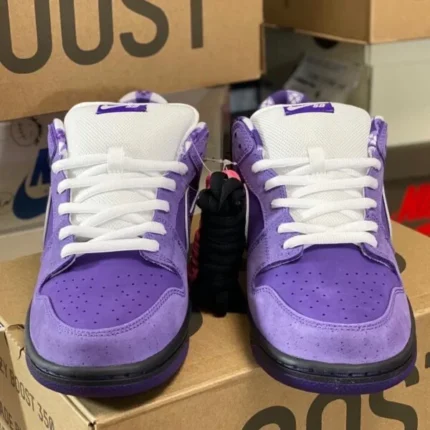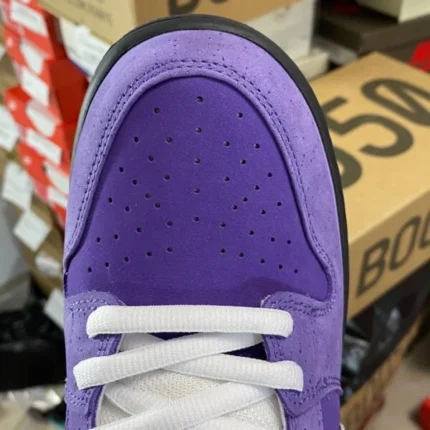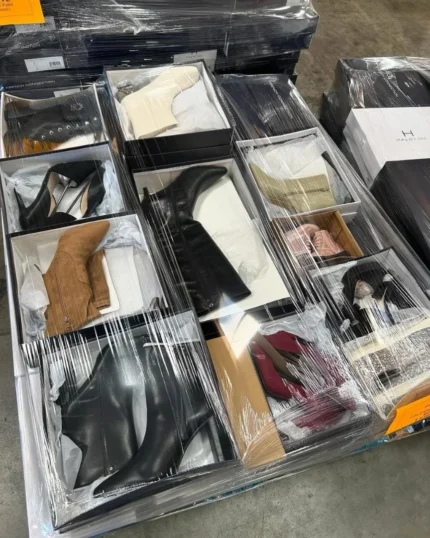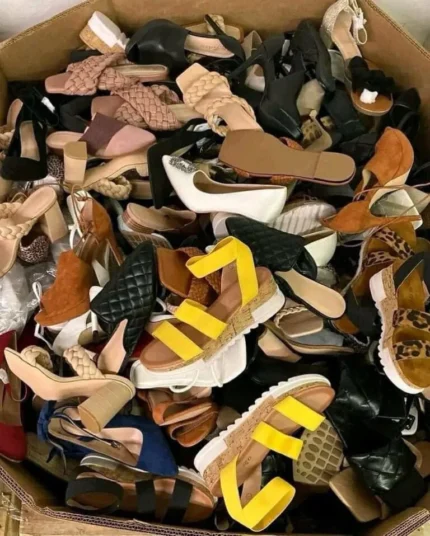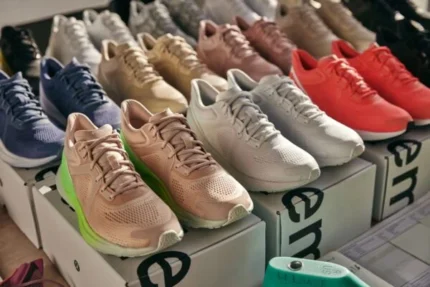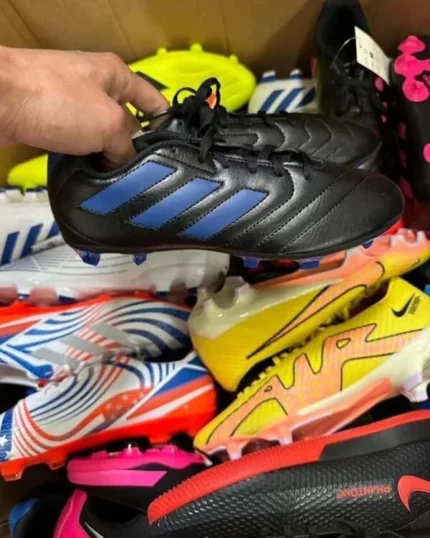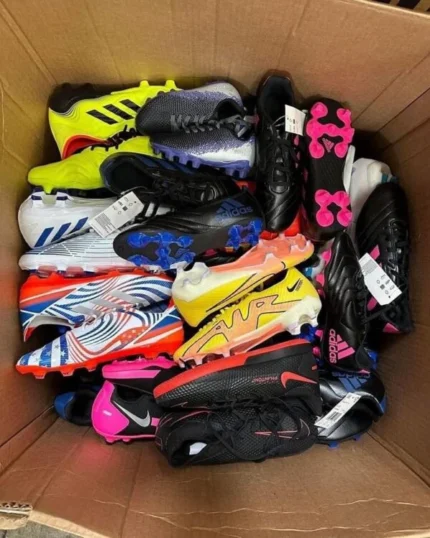

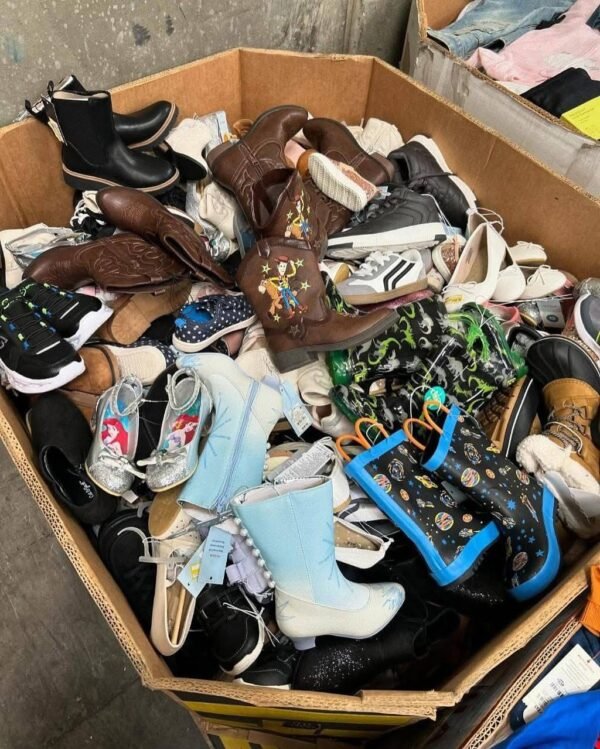
Target Shoes Pallet
$850.00
Best Pallet of Shoes for Sale: Ultimate Guide to Wholesale Shoe Pallets
Finding a reliable pallet of shoes for sale can be an excellent opportunity for retailers, online sellers, discount stores, and entrepreneurs looking to purchase footwear in bulk. Shoe pallets may contain assorted sneakers, casual shoes, athletic footwear, sandals, boots, and other styles, depending on the supplier and the type of inventory available. Buying in bulk can help businesses expand their product selection, manage inventory costs, and serve customers looking for affordable footwear.
Whether you operate a shoe store, sell through online marketplaces, run a discount outlet, or are starting a resale business, wholesale shoe pallets offer a way to source multiple pairs in a single purchase. However, successful buying requires more than finding a low price. Understanding product condition, size distribution, brand authenticity, shipping costs, and supplier reliability can help you make better purchasing decisions.
This guide explains how shoe pallets work, where to look for them, what to check before buying, and how to choose the right inventory for your business.
What Is a Pallet of Shoes for Sale?
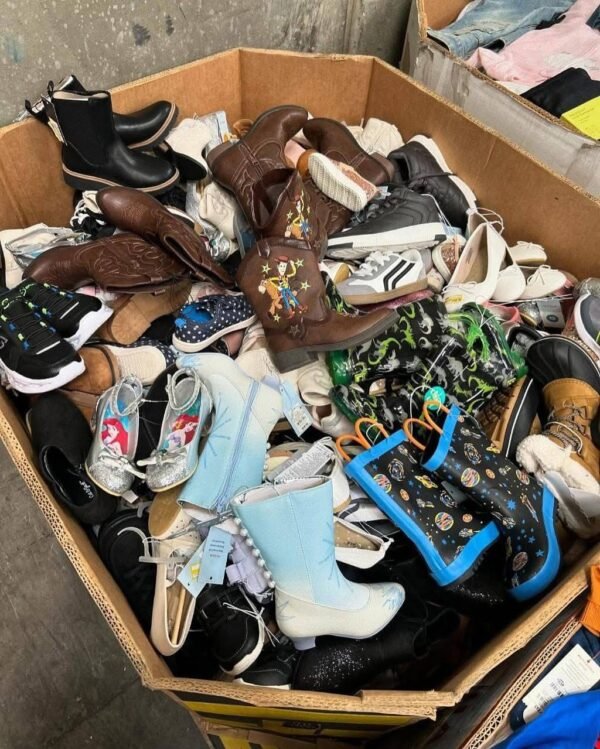
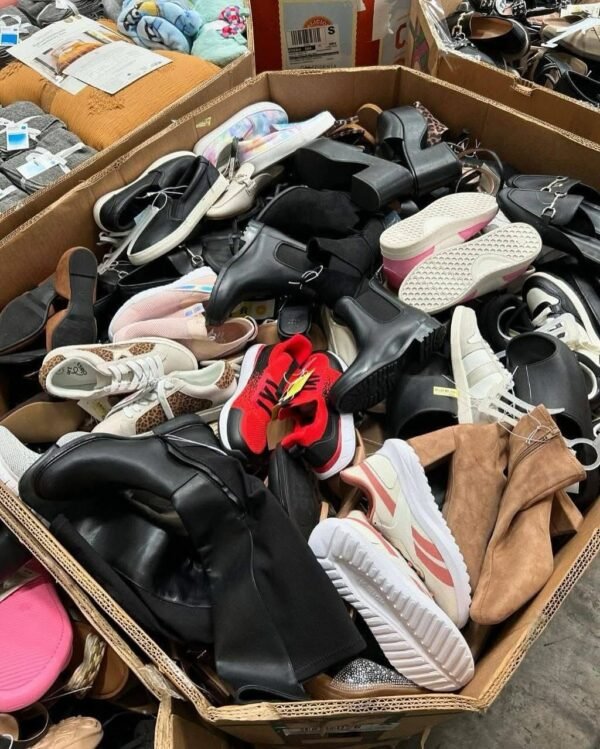
A pallet of shoes is a bulk shipment of footwear assembled for wholesale distribution or liquidation. Depending on the supplier, a pallet may contain new overstock, shelf-pull merchandise, customer returns, discontinued styles, or mixed-condition footwear.
The number of pairs included varies by supplier and pallet configuration. Some sellers offer pallets containing a relatively small assortment, while others provide larger quantities designed for established retailers and high-volume resellers. Always verify the stated pair count and whether the listed quantity represents complete pairs rather than individual shoes.
Why Buy Shoe Pallets in Bulk?
Purchasing shoe inventory by the pallet can offer several potential advantages:
- Bulk purchasing: Acquire multiple pairs in one transaction instead of sourcing every pair separately.
- Product variety: Some pallets include different styles, sizes, and footwear categories.
- Business growth: Expand your inventory for a retail shop, online store, flea market, or discount outlet.
- Resale opportunities: Purchase suitable inventory for resale when the total cost and expected selling prices make financial sense.
- Inventory flexibility: Choose different pallet types to match seasonal demand and customer preferences.
Bulk purchasing does not automatically guarantee savings or profit. The condition and mix of the merchandise, transportation expenses, and local demand all affect the value of a shipment.
Explore Shoe Liquidation Pallets for Wholesale Inventory
Shoe liquidation pallets are bulk lots of footwear offered through liquidation channels. They may include excess inventory, customer returns, discontinued products, or merchandise that retailers and distributors want to move out of their warehouses.
These pallets can appeal to businesses that want to offer a wider selection of footwear without buying every style individually. However, inventory descriptions vary considerably, so it is essential to understand what a supplier is selling before placing an order.
Types of Shoe Liquidation Inventory 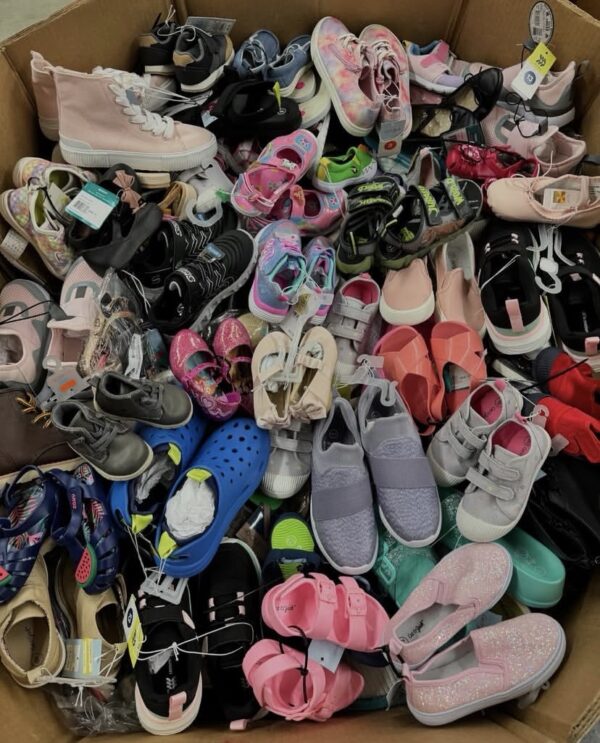
New overstock footwear: These products are generally unsold inventory that exceeds a retailer’s immediate requirements. They may be suitable for stores seeking new merchandise, subject to verification of condition and packaging.
Shelf-pull footwear: These shoes may have been removed from retail shelves. Packaging can vary, and some pairs may show handling marks.
Customer returns: Returned footwear may be unworn, lightly used, damaged, incomplete, or otherwise unsuitable for resale as new. Check the supplier’s grading system and return policy.
Mixed footwear pallets: These lots can contain multiple footwear categories, sizes, and styles. They may work well for discount retailers that sell a broad assortment.
Seasonal and discontinued inventory: These pallets may contain products from previous seasons or styles that a retailer no longer stocks. Their resale potential depends on customer demand and the sizes available.
Understanding these categories helps you select merchandise that matches your selling channel and quality standards.
How to Choose the Best Liquidation Pallets Shoes
When comparing liquidation pallets shoes, evaluate the complete offer instead of focusing only on the advertised price. A cheap pallet can become expensive if many pairs are damaged, sizes are difficult to sell, or shipping costs exceed expectations.
Check the Number of Pairs and Size Distribution
Ask the supplier for the exact number of pairs included and, if available, a size breakdown. A pallet containing many uncommon sizes may take longer to sell than a balanced assortment that reflects your customers’ needs.
For online sellers, a varied size range can increase the number of potential customers. Physical stores should compare the assortment with their sales history to identify the sizes and styles most likely to move.
Confirm the Condition of the Shoes
Ask whether the footwear is new, overstock, shelf-pull, returned, refurbished, or used. Request actual inventory photographs when possible and clarify whether original boxes are included.
If the supplier uses condition grades, obtain a written explanation of each grade. Do not assume that all pairs in a liquidation pallet are new or ready for resale as new.
Verify Brand Authenticity
If a pallet is advertised as containing branded footwear, ask about sourcing documentation and authenticity procedures. Avoid listings that make unsupported claims about premium brands or offer unusually low prices without credible explanations.
Accurate product descriptions and authentic merchandise help protect your business reputation and reduce the risk of customer disputes.
Target Shoes Pallet: What Buyers Should Know
The keyword Target Shoes Pallet may be used by shoppers looking for shoe inventory associated with Target retail liquidation or surplus merchandise. Before purchasing a pallet under this description, confirm the supplier’s exact inventory source and the products actually included.
A retail-associated liquidation label does not necessarily mean that every pair comes directly from a particular retailer or that the pallet contains only shoes. Some lots may be mixed merchandise, while others may contain overstock or returns from different sources.
Before ordering a Target-related shoe pallet, ask the seller:
- Is the inventory specifically footwear or a mixed retail assortment?
- How many complete pairs are included?
- What percentage of the products are new, returned, or shelf-pull?
- Are brands, sizes, and product categories documented?
- Are photographs representative of the actual shipment?
- What shipping charges and purchasing terms apply?
Clear answers help you determine whether the pallet fits your business needs.
Where to Find Shoe Pallets Near You
Businesses often search for shoe liquidation pallets near me because buying from a nearby supplier may reduce shipping expenses and make it easier to inspect merchandise before purchase.
Potential sourcing channels include local liquidation warehouses, wholesale distributors, surplus inventory dealers, liquidation auctions, and regional business-to-business marketplaces. Availability depends on your location and the suppliers operating in your area.
Finding Shoes Pallets for Sale Near Me
When looking for shoes pallets for sale near me, use specific searches and compare several suppliers. Include your city or region in your search, then review the seller’s location, pickup arrangements, inventory details, and minimum order requirements.
Before visiting a warehouse, confirm that the business is operating and that the advertised footwear is available. Some liquidation suppliers sell primarily online or require appointments for warehouse inspections.
Consider these steps:
- Search for local liquidation warehouses and wholesale footwear distributors.
- Contact suppliers to request current inventory lists.
- Ask whether warehouse pickup or local delivery is available.
- Compare the full cost of local pickup against shipped orders.
- Inspect the goods when possible and obtain written purchase terms.
Local purchasing can be convenient, but it is not always the cheapest option. Compare the total landed cost and product condition before deciding.
Wholesale Sneaker Pallets for Retailers and Resellers
Wholesale sneaker pallets can be especially appealing to businesses that focus on athletic footwear, casual sneakers, and everyday shoes. Depending on the source, these pallets may contain different styles, sizes, and conditions.
Sneakers are popular across many customer groups, but demand varies by brand, model, size, season, and local trends. Before purchasing, determine whether the pallet contains new merchandise, customer returns, or mixed-condition stock.
How to Evaluate a Sneaker Pallet
Look at the following factors:
- Brand and model information: Verify any brand-specific claims and request a manifest when available.
- Size distribution: Confirm that the assortment fits your target market.
- Product condition: Establish whether pairs are new, returned, used, or damaged.
- Packaging: Check whether original shoe boxes are included.
- Authenticity: Request credible sourcing information for branded products.
- Resale demand: Research comparable products and realistic selling prices.
- Total expenses: Include freight, taxes, handling, storage, and selling fees.
If the pallet contains valuable branded sneakers, do not rely exclusively on a seller’s estimated retail value. Verify the actual products and compare current market prices before calculating potential margins.
How to Compare Shoes Pallets for Sale
When reviewing different shoes pallets for sale, create a consistent comparison so you can identify the most suitable inventory.
| Buying factor | What to check |
|---|---|
| Quantity | Number of complete pairs |
| Condition | New, overstock, shelf-pull, returns, or used |
| Variety | Sneakers, boots, sandals, casual shoes, or mixed footwear |
| Sizes | Available size range and distribution |
| Documentation | Manifest, photographs, and sourcing details |
| Total cost | Pallet price plus shipping, taxes, and handling |
| Seller terms | Payment security, pickup, and return policy |
A manifest is especially useful because it may list products, quantities, sizes, or other inventory details. However, not every liquidation pallet comes with a complete manifest, and some manifests are estimates rather than guarantees. Confirm the supplier’s terms in writing.
How to Calculate Potential Profit From Shoe Pallets
Before buying a pallet, estimate the cost per sellable pair rather than dividing the purchase price by the total number of pairs alone.
For example, suppose a pallet costs $600 and contains 100 pairs. If all 100 pairs are sellable, the purchase cost averages $6 per pair before other expenses.
If only 80 pairs are suitable for resale, the acquisition cost per sellable pair becomes $7.50 before shipping, taxes, cleaning, storage, and selling fees.
Use this basic formula:
Cost per sellable pair = Total landed cost ÷ Number of sellable pairs
Then compare the result with realistic selling prices. Remember to subtract marketplace fees, payment processing, packaging, delivery subsidies, and other operating expenses.
This calculation does not guarantee profit, but it helps you understand the financial risks before committing to a bulk purchase.
Tips for Reselling Liquidation Shoes Pallets Successfully
Once your pallet arrives, organize the inventory before listing it for sale. Separate products by size, style, condition, and brand, then inspect each pair for visible damage or missing components.
Take clear photographs and write accurate descriptions. If shoes are used or have damaged packaging, disclose that information instead of describing them as new.
Consider several selling channels, including a physical store, online marketplace, social commerce, local markets, or discount retail outlets. Choose channels that suit the products and the customers you want to reach.
Track which sizes and categories sell quickly, which remain in storage, and which produce the best margins. This information will help you make better purchasing decisions when ordering future pallets.
Frequently Asked Questions About Pallets of Shoes for Sale
Are shoe liquidation pallets suitable for beginners?
They can be, provided you start with a manageable order, understand the product condition, and calculate all expenses. Beginners should avoid spending more than they can afford to lose on unverified inventory.
What is usually included in a pallet of shoes?
Contents vary. A pallet may contain sneakers, casual shoes, boots, sandals, or a mixed selection. It may include overstock, shelf-pulls, customer returns, or used merchandise, depending on the supplier.
Can I buy shoe liquidation pallets near me?
Yes, if local liquidation warehouses or wholesale distributors serve your area. Contact suppliers directly to confirm inventory, pickup options, delivery costs, and minimum order quantities.
Are wholesale sneaker pallets profitable?
They can be profitable when the merchandise is authentic, sellable, appropriately priced, and in demand. Profit depends on the condition and size mix, purchase cost, shipping, fees, and actual selling prices.
Should I buy manifested or unmanifested shoe pallets?
A manifested pallet can offer more information about the expected inventory, which helps with cost calculations. An unmanifested pallet may provide less certainty, so the purchase price should reflect the additional risk.
Conclusion
A pallet of shoes for sale can provide a practical way for retailers, resellers, and online businesses to source footwear in bulk. From mixed shoe liquidation pallets to wholesale sneaker pallets, the available options can suit different business models and customer groups.
The key to buying successfully is to verify product condition, check size distribution, confirm authenticity, compare total costs, and purchase from suppliers with clear terms. Whether you are searching for shoe liquidation pallets near me or comparing larger wholesale orders, careful research can help you choose inventory that fits your budget and selling strategy.
Start with a clear business goal, calculate the cost per sellable pair, and prioritize merchandise that matches your customers’ needs. A well-researched purchase gives you a stronger foundation for managing inventory and building a sustainable footwear resale business.
Related products