
Mixed Shoes Pallets: A Complete Buying Guide for Resellers and Wholesale Buyers

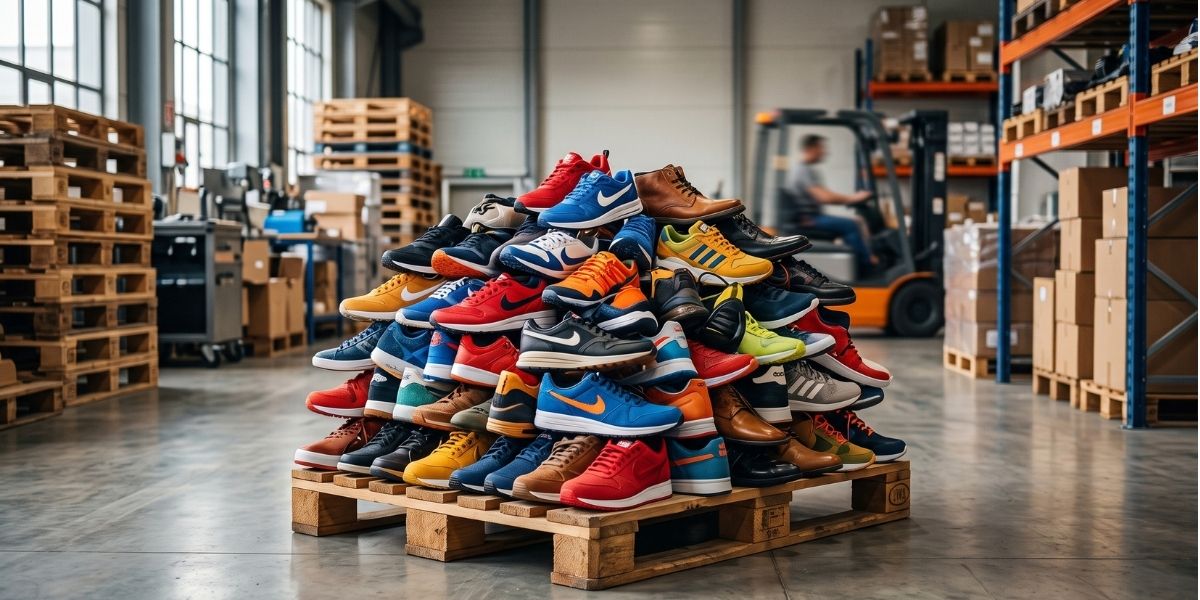
Mixed shoes pallets are wholesale lots that contain different types, brands, sizes, styles, and conditions of shoes packed together for resale. Instead of buying one exact shoe model in one size, buyers receive a bulk assortment of footwear that may include sneakers, boots, sandals, dress shoes, casual shoes, athletic shoes, kids’ shoes, and seasonal footwear.
Many resellers choose mixed shoes pallets because they offer a lower cost per pair compared to buying shoes individually. For people who sell online, at flea markets, through thrift shops, or in local resale stores, this type of bulk inventory can be a practical way to build stock quickly. A single pallet can provide dozens or even hundreds of pairs, giving sellers a wide range of products to list, sort, price, and resell.
However, mixed shoe pallets are not risk-free. The condition, brand mix, size range, and resale value can vary widely depending on the supplier and pallet source. Some pallets may contain profitable branded shoes, while others may include damaged, slow-moving, or low-value pairs. That is why buyers need to understand what they are purchasing before placing an order.
This guide explains what mixed shoes pallets are, what usually comes inside them, how to choose a reliable supplier, what to check before buying, and how to resell shoes from pallets for profit.
What Are Mixed Shoes Pallets?
Mixed shoes pallets are bulk footwear lots sold by liquidation companies, wholesalers, closeout suppliers, retail return sellers, and pallet warehouses. The word “mixed” means the pallet contains a variety of shoes instead of one specific product type, model, size, or brand.
For example, one mixed shoes pallet may include men’s sneakers, women’s sandals, kids’ boots, athletic shoes, casual shoes, and dress shoes in different sizes and conditions. Another pallet may focus mostly on retail returns, while another may include overstock or shelf-pulled shoes from stores.
These pallets often come from retail returns, liquidation stock, overstock inventory, shelf pulls, customer returns, or closeout merchandise. Retailers and distributors may need to clear out inventory quickly, especially when products are returned, seasonal styles change, packaging is damaged, or warehouse space is needed for new stock. Instead of selling each pair one by one, they may sell large lots to liquidation buyers or wholesale pallet suppliers.
For resellers, this creates an opportunity. Buying mixed shoes pallets can provide inventory at a lower average cost. But because the contents are mixed, buyers must be ready to inspect, sort, clean, photograph, price, and sell each pair individually.
Why Do Resellers Buy Mixed Shoes Pallets?
The main reason resellers buy mixed shoes pallets is bulk pricing. When shoes are purchased by the pallet, the average cost per pair is often much lower than standard retail pricing. This gives resellers room to make a profit if they can sell the shoes at a higher individual price.
For example, a reseller may buy a pallet with 100 pairs of shoes at a low per-pair cost. Some shoes may be worth only a few dollars, while others may have stronger resale value because of the brand, condition, style, or demand. The reseller’s job is to separate the better items, price them correctly, and choose the right sales channel.
Mixed shoes pallets are also useful for building inventory quickly. Instead of sourcing one pair at a time from garage sales, thrift stores, or clearance racks, a reseller can receive a large amount of footwear in one shipment. This is especially helpful for sellers who already understand how to list products online, manage inventory, and handle customer questions.
Resellers commonly sell shoes from pallets on platforms such as eBay, Facebook Marketplace, Poshmark, Mercari, Amazon, local flea markets, thrift stores, consignment shops, and physical resale stores. High-value branded shoes may perform better on online marketplaces where buyers search by brand and model. Lower-value shoes may sell better locally, in bundles, or as discount footwear.
Another reason resellers like mixed pallets is variety. A mixed pallet can help sellers test different product categories without committing to one shoe type. A seller may discover that kids’ shoes sell well in their local market, while athletic shoes perform better online. This variety helps buyers learn what their customers want.
What Comes Inside a Mixed Shoes Pallet?
The contents of a mixed shoes pallet depend on the supplier, pallet source, price, condition grade, and whether the pallet is manifested or unmanifested. Some pallets may include a clear list of items, while others are sold as general mixed lots with limited details.
Common categories inside mixed shoes pallets may include men’s shoes, women’s shoes, kids’ shoes, sneakers, boots, heels, sandals, work shoes, athletic shoes, slippers, casual footwear, dress shoes, and seasonal shoes. Depending on the supplier, some pallets may also include boxed shoes, loose pairs, returned items, display models, or shoes with damaged packaging.
The brand mix can also vary. Some pallets may include recognizable brand-name shoes, while others may contain generic, private-label, store-brand, or lesser-known footwear. Buyers should be careful not to assume that every mixed shoes pallet contains premium brands. Some sellers use attractive photos or broad descriptions, but the actual pallet may include mostly basic footwear.
Condition is another major factor. Shoes inside a pallet may be new with box, new without box, open-box, shelf-pulled, customer-returned, lightly used, damaged, incomplete, or unsellable. A returned pair may look almost new, but another may have signs of wear, missing insoles, scuffed soles, damaged packaging, or mismatched sizing issues.
This is why inspection and grading are so important. A profitable pallet is not only about how many pairs are included. It is also about how many pairs can realistically be sold, how much work they require, and how much buyers are willing to pay for them.
Types of Mixed Shoes Pallets
Not all mixed shoes pallets are the same. Understanding the different types can help buyers choose inventory that matches their experience level, budget, and resale plan.
Retail Return Shoe Pallets
Retail return shoe pallets contain shoes that customers returned to a retailer. Some returns may be unused, while others may show wear or damage. A customer may return shoes because they did not fit, changed their mind, received the wrong size, or found a minor defect. In some cases, the shoes may be perfectly sellable. In other cases, they may need cleaning or may not be worth reselling.
Retail return pallets can offer good profit potential, but they also carry more risk. Buyers may find valuable branded pairs, but they may also receive damaged shoes, missing boxes, mismatched pairs, or items that require extra work. These pallets are often better for experienced resellers who know how to inspect, grade, clean, and price footwear.
Overstock Shoe Pallets
Overstock shoe pallets usually come from unsold retail inventory. These shoes may be new or close to new, but they did not sell through regular retail channels. Overstock can happen when a store orders too much inventory, a season ends, styles change, or warehouse space needs to be cleared.
Overstock pallets are often easier to resell than customer return pallets because the condition may be more consistent. However, buyers should still check the details carefully. Overstock shoes may include older styles, unusual sizes, seasonal products, or slow-moving inventory. A shoe can be new and still difficult to sell if demand is low.
Shelf Pull Shoe Pallets
Shelf pull shoe pallets contain items removed from retail shelves. These shoes may have been displayed in stores, handled by customers, marked down, or removed to make space for newer products. Shelf pulls may still be new, but they can have price stickers, damaged boxes, dust, minor scuffs, or signs of display wear.
For many resellers, shelf pulls can be a good middle ground between overstock and returns. They may be more predictable than customer returns but less expensive than clean new wholesale inventory. Still, buyers should ask whether boxes are included and whether the shoes have been inspected.
Branded Mixed Shoe Pallets
Branded mixed shoe pallets may include recognizable footwear brands. These pallets often attract resellers because branded shoes can have stronger resale value and better search demand on online marketplaces.
However, branded pallets usually cost more. Buyers should also be careful about authenticity, supplier reputation, and unrealistic advertising. If a supplier claims that every pallet contains high-end brands at extremely low prices, that should be treated with caution. Genuine branded inventory has value, and reputable suppliers are usually clear about condition, source, and limitations.
Before buying branded mixed shoes pallets, ask whether the pallet is manifested, whether photos are real, whether the brands are guaranteed, and whether the supplier has verified sourcing.
Are Mixed Shoes Pallets Profitable?
Yes, mixed shoes pallets can be profitable, but profit depends on purchase cost, shoe condition, brand mix, shipping fees, platform fees, and resale strategy. A pallet is not automatically profitable just because it contains many pairs of shoes.
The first number buyers should calculate is cost per pair. To do this, divide the total landed cost by the number of pairs in the pallet. The total landed cost should include the pallet price, shipping, taxes, handling fees, and any other charges. Many new buyers make the mistake of looking only at the pallet price and forgetting freight shipping, which can significantly change the real cost.
For example, if a pallet costs $600 and shipping costs $200, the total cost is $800. If the pallet contains 100 pairs, the average cost per pair is $8. If many pairs can sell for $20 to $40, there may be room for profit. But if a large percentage is damaged, low-value, or difficult to sell, the profit margin may shrink quickly.
Not every pair in a mixed shoes pallet will sell at a high price. Some may sell quickly, some may take months, and some may not be worth listing individually. A practical reseller sorts inventory into categories such as high-value, mid-value, low-value, needs cleaning, damaged, and unsellable.
Profit also depends on where the shoes are sold. A branded sneaker in good condition may perform well on eBay or Poshmark. A basic pair of sandals may sell better at a local market. Kids’ shoes may do well in bundles. Work shoes may appeal to local buyers. Matching the product to the right sales channel can make a major difference.
A simple profit example may look like this: a buyer purchases a mixed shoes pallet for $900 total, including shipping. The pallet contains 120 pairs, making the average cost $7.50 per pair. After sorting, 20 pairs are high-value, 60 are average resale pairs, 25 are low-value pairs, and 15 are damaged or unsellable. If the seller prices and sells the good inventory correctly, the profitable pairs may cover the cost of the entire pallet and create margin. But this only works when the buyer tracks expenses carefully and does not overestimate resale value.
How to Choose the Best Mixed Shoes Pallets
Choosing the best mixed shoes pallets requires more than finding the lowest price. Cheap pallets can become expensive if most of the shoes are damaged, outdated, incomplete, or difficult to sell. A better approach is to compare value, risk, supplier transparency, and total cost.
Start with supplier reputation. Look for sellers with real customer reviews, clear contact information, business history, and transparent policies. A trustworthy supplier should be willing to answer basic questions about pallet source, condition, shipping, and expected contents. If a supplier avoids questions or makes exaggerated profit claims, be careful.
Next, check whether a manifest is available. A manifest is a list of items included in a pallet or lot. Not all mixed pallets come with a manifest, but when one is available, it can help buyers estimate value more accurately. A manifest may show product type, quantity, size, retail price, brand, or condition. However, buyers should still remember that manifests may not always be perfect, especially with returns and liquidation goods.
Pallet photos are also important. Real photos of the actual pallet are better than generic stock photos. Stock photos can make inventory look cleaner or more valuable than it really is. Ask whether the images show the exact pallet being sold or only sample inventory.
Shipping cost should be reviewed before ordering. Shoes are bulky, and pallets may require freight delivery. Depending on distance, pallet weight, and delivery type, shipping can add a large amount to the final cost. Local pickup can be a smart option if available because it may reduce shipping cost and allow buyers to inspect inventory more easily.
Buyers should also consider shoe condition, number of pairs, brand mix, return policy, customer reviews, and whether the pallet is suitable for their resale channel. A local flea market seller may prefer different inventory than an online sneaker reseller. The best pallet is the one that matches your selling model.
Where to Buy Mixed Shoes Pallets
Mixed shoes pallets are available from liquidation suppliers, wholesale distributors, closeout sellers, local pallet warehouses, retail return marketplaces, and online liquidation platforms. The right place to buy depends on your budget, location, experience, and risk tolerance.
Liquidation warehouses are a common source. These businesses buy excess or returned inventory from retailers and resell it in bulk. Some warehouses sell by the pallet, while others offer smaller lots, truckloads, or category-specific inventory.
Wholesale shoe suppliers may also offer mixed lots, especially for sellers who want new or overstock footwear. These lots may cost more than liquidation returns, but they may offer better condition and fewer damaged items.
Online pallet marketplaces make it easy to browse inventory from different sellers. However, buyers should read descriptions carefully and compare shipping costs. A pallet that looks affordable online can become expensive after freight charges are added.
Local pallet sellers can be useful for beginners because they may allow pickup and visual inspection. Buying locally can reduce risk, especially for buyers who are still learning how to evaluate pallet inventory. If you can see the pallet in person, you may be able to judge packaging, condition, and variety before paying.
No matter where you buy, take time to research the supplier. Search for reviews, check business information, ask questions, and avoid sellers who pressure you to buy quickly without clear details.
What to Check Before Buying Mixed Shoes Pallets
Due diligence is essential before buying mixed shoes pallets. Since pallet inventory can vary, buyers should ask specific questions before spending money.
First, ask whether the shoes are new, used, returned, shelf-pulled, overstock, or mixed condition. This helps you understand the level of work required after delivery. New overstock may be easier to sell, while returns may need inspection and cleaning.
Ask whether there is a manifest. If there is, review it carefully. Look at the number of pairs, brand names, size range, condition notes, and estimated retail value. Be careful with inflated retail values because resale prices are often lower than original retail prices.
Ask how many pairs are included. The pair count matters because it helps you calculate average cost per pair. A pallet with fewer high-quality shoes may be better than a larger pallet filled with damaged or low-demand items.
Ask whether boxes are included. Shoes with original boxes may be easier to list and can sometimes sell for more. However, pallets without boxes can still be profitable if the shoes are in good condition.
Ask if there are branded shoes and whether brands are guaranteed. Some pallets may show brand examples but not guarantee exact brands. Make sure you understand what is promised and what is only possible.
Ask about damage percentage. Some suppliers may estimate how much of the pallet could be damaged or unsellable. Even if the estimate is not exact, it gives you a better sense of risk.
Ask whether shipping is included. If it is not included, request a freight estimate before purchasing. Also ask whether the shipment requires a loading dock, liftgate service, or commercial address.
Finally, ask for real pallet photos and review the refund or replacement policy. Many liquidation sales are final, so buyers need to know what happens if the shipment is not as described.
Avoid suppliers who only use stock photos, refuse to answer basic questions, or promise guaranteed high profits. No legitimate seller can guarantee that every reseller will make money from a pallet.
Pros and Cons of Mixed Shoes Pallets
Mixed shoes pallets can be a useful inventory source, but they are not perfect for every buyer. Understanding the advantages and disadvantages can help you decide whether this type of inventory fits your business.
The biggest benefit is lower cost per pair. Buying in bulk usually reduces the average purchase price, giving resellers a better chance to create profit margin. Mixed pallets also provide large inventory in one purchase, which can save sourcing time.
Another advantage is variety. A mixed pallet may include different styles, sizes, and categories, helping sellers reach different customer groups. This can be useful for flea market sellers, thrift stores, and online resellers who sell many types of products.
There is also potential for high-profit branded items. Some pallets may include shoes that sell for much more than the average cost per pair. These higher-value items can help recover the cost of the pallet faster.
However, mixed shoes pallets also have disadvantages. Inventory can be unpredictable, especially if the pallet is unmanifested. Some shoes may be damaged, dirty, missing boxes, mismatched, or unsellable. Sizes may not be balanced, which can make some items harder to sell.
Shipping can also be expensive. Freight cost can reduce profit if buyers do not calculate it before ordering. In addition, shoes require work after arrival. Resellers may need to sort, clean, photograph, measure, describe, list, store, and ship each pair. This takes time.
Mixed shoes pallets are best for buyers who are comfortable with some risk and willing to do the work needed to turn bulk inventory into sellable products.
How to Sort and Grade Shoes After Receiving a Pallet
Sorting and grading are among the most important steps after receiving a mixed shoes pallet. A pallet may look overwhelming at first, but a simple system can help you organize inventory and identify the most profitable items.
Start by separating shoes by condition. Create categories such as new with box, new without box, like new, good used condition, needs cleaning, damaged, and unsellable. This makes pricing and listing easier.
New with box shoes are usually the easiest to sell because buyers like complete packaging. New without box shoes can still sell well, especially if they are clean and clearly described. Like-new shoes may have minimal signs of handling or display wear. Good used shoes may show wear but still have resale value if the brand, style, and condition are acceptable.
Shoes that need cleaning should be placed in a separate work pile. Some pairs may only need a quick wipe, while others may require deeper cleaning. Cleaning can improve photos and resale value, but it also takes time. If a low-value pair needs too much work, it may not be worth the effort.
Damaged shoes should be inspected carefully. Minor scuffs, missing boxes, or small cosmetic issues may still be acceptable if disclosed. But shoes with broken soles, heavy wear, strong odors, missing parts, or structural damage may be difficult to sell.
Unsellable shoes should be removed from your main inventory. Some may be donated, recycled, sold in bulk for crafts or repair, or discarded depending on condition.
Grading helps with pricing accuracy and customer trust. Honest condition descriptions reduce returns, complaints, and negative reviews. When selling online, always show clear photos of flaws, soles, size tags, and any visible wear.
How to Resell Mixed Shoes Pallets for Profit
To resell mixed shoes pallets for profit, you need more than inventory. You need a clear process for cleaning, photographing, pricing, listing, and choosing the right sales channels.
Start by identifying your best items. High-value branded shoes, clean athletic shoes, popular sizes, and trendy styles should usually be listed first. These items may bring back cash faster and help recover your pallet cost.
Choose the right platform for each shoe type. Branded sneakers and specialty shoes may sell well on eBay, Poshmark, Mercari, or other online marketplaces. Lower-value shoes may perform better through Facebook Marketplace, flea markets, local bundles, or discount bins. Kids’ shoes may sell well in lots because parents often look for affordable pairs.
Photos matter. Clean shoes before taking pictures. Use good lighting and show multiple angles. Include photos of the front, sides, back, soles, insoles, size tags, logos, and any flaws. Clear photos make buyers feel more confident.
Descriptions should be honest and specific. Include brand, size, color, style, condition, material if known, and any defects. Do not hide flaws. A buyer who receives a product that matches the description is less likely to return it or leave a complaint.
Pricing should be competitive. Research sold listings, not just active listings. Active listings show what sellers want, but sold listings show what buyers actually paid. Price high-value shoes based on market demand, and move lower-value shoes quickly through bundles or discounts.
Track your numbers. Record the pallet cost, shipping cost, average cost per pair, listing fees, platform fees, shipping expenses, and final sale price. Without tracking, it is difficult to know whether your pallet was truly profitable.
Common Mistakes to Avoid When Buying Mixed Shoes Pallets
One common mistake is buying without checking supplier reputation. New buyers often get excited by photos or low prices and forget to research the seller. A reliable supplier can make the buying process smoother, while a poor supplier can create costly problems.
Another mistake is ignoring freight shipping cost. A pallet may look affordable until shipping is added. Always calculate the full landed cost before buying.
Many beginners also expect every pair to be branded or profitable. This is unrealistic. Mixed shoes pallets usually contain a range of values. Some pairs may be excellent, some average, and some poor. Profit comes from managing the entire lot, not expecting every item to be a winner.
Another mistake is not understanding return-pallet risk. Customer returns can include damaged items, worn shoes, missing boxes, or products that need cleaning. If you want lower risk, overstock or shelf-pull pallets may be a better starting point.
Overpaying for unmanifested pallets is another issue. If there is no manifest, you are buying with less information. That does not mean the pallet is bad, but the price should reflect the risk.
Some buyers also fail to inspect inventory quickly after delivery. If there is a shipping issue, missing item problem, or major mismatch, you may need to contact the supplier fast. Waiting too long can make it harder to resolve problems.
Poor listing quality is another profit killer. Bad photos, vague descriptions, and missing size details can slow sales. Shoes are visual products, so buyers want to see condition clearly.
Finally, many sellers forget platform fees and shipping expenses. A pair that sells for $20 is not pure profit. Marketplace fees, payment processing, packaging, shipping, and time all matter.
Are Mixed Shoes Pallets Good for Beginners?
Mixed shoes pallets can be good for beginners, but only if they start carefully. Buying a full pallet without experience can be risky because new sellers may not know how to evaluate condition, price shoes, clean inventory, or choose the best marketplace.
A better approach is to start with a smaller lot before investing in a full pallet. This allows beginners to learn the process with less financial risk. A small lot can teach important lessons about grading, photography, descriptions, pricing, shipping, and customer expectations.
Beginners should also learn how to identify sellable condition. A shoe may look acceptable at first but have worn soles, missing insoles, odor, peeling material, or brand-specific sizing issues. Careful inspection is important.
Mixed shoes pallets are best for beginners who have time to sort and process inventory. If you want quick, easy sales with no cleaning or listing work, pallets may feel overwhelming. But if you are willing to learn and stay organized, they can be a practical entry point into resale.
New buyers should focus on total cost, supplier reputation, and manageable quantity. It is better to make a small, controlled purchase and learn from it than to spend too much on a large pallet that becomes difficult to handle.
Mixed Shoes Pallets vs Single-Category Shoe Lots
Mixed shoes pallets and single-category shoe lots both have advantages. The right choice depends on your business model.
Mixed shoes pallets offer variety. They may include sneakers, boots, sandals, dress shoes, kids’ shoes, and casual footwear in one lot. This is useful for general resellers who sell across different platforms or serve a broad customer base. Variety also helps sellers test different categories and learn what performs best.
However, mixed pallets are less predictable. You may receive sizes, styles, or conditions that are harder to sell. If you do not have a flexible resale strategy, some inventory may sit for a long time.
Single-category shoe lots focus on one type of footwear, such as only sneakers, only boots, only women’s shoes, or only kids’ shoes. These lots can be easier to market because the audience is more specific. For example, a sneaker reseller may prefer sneaker-only lots because they already understand sneaker brands, models, and pricing.
The downside is that single-category lots may cost more, especially if the category is popular. They may also limit your customer base if demand changes.
Mixed shoes pallets can be better for general resellers, flea market sellers, and thrift shops. Single-category lots may be better for niche sellers who specialize in one footwear type.
Final Tips Before Buying Mixed Shoes Pallets
Before buying mixed shoes pallets, take time to research the supplier, understand the pallet type, and calculate the total landed cost. Do not focus only on the pallet price. Shipping, fees, damaged inventory, and slow-moving products all affect profit.
Start small if you are new. A smaller lot can help you understand the resale process before committing to larger purchases. Once you know how to sort, grade, clean, photograph, list, and sell shoes effectively, you can consider scaling up.
Always ask questions before buying. Find out whether the pallet contains returns, overstock, shelf pulls, or mixed condition shoes. Ask about quantity, boxes, brands, damage percentage, photos, manifest availability, and shipping.
Be realistic about profit. Mixed shoes pallets can be profitable, but they are not guaranteed money. Success depends on buying carefully, pricing accurately, selling consistently, and managing inventory well.
Most importantly, treat pallet buying like a business, not a gamble. Keep records, track costs, learn from each purchase, and improve your sourcing decisions over time. When purchased carefully and handled properly, mixed shoes pallets can become a strong inventory source for resellers and wholesale buyers.
FAQs
What does mixed shoes pallet mean?
A mixed shoes pallet is a bulk lot of footwear that contains different shoe types, sizes, brands, styles, and conditions. Instead of receiving one exact model or category, buyers receive an assorted pallet that may include sneakers, boots, sandals, casual shoes, dress shoes, athletic shoes, and kids’ shoes.
Are mixed shoes pallets worth buying?
Mixed shoes pallets can be worth buying if the price, condition, supplier, and shipping cost make sense. They are best for buyers who understand resale work and are willing to sort, clean, photograph, list, and price shoes properly. They may not be ideal for people who expect every pair to be high-value or ready to sell immediately.
Can I make money selling mixed shoes pallets?
Yes, it is possible to make money selling mixed shoes pallets, but profit is not guaranteed. Your results depend on purchase cost, brand mix, condition, demand, shipping fees, platform fees, and how well you resell the inventory. Careful sorting and accurate pricing are important for profit.
Do mixed shoes pallets include branded shoes?
Some mixed shoes pallets may include branded shoes, but buyers should not assume every pallet contains premium brands. The brand mix depends on the supplier and pallet source. If branded shoes are important to you, ask whether brands are guaranteed and whether the pallet has a manifest.
Are mixed shoes pallets new or used?
Mixed shoes pallets can include new, used, returned, overstock, shelf-pulled, open-box, or damaged shoes. Some pallets focus on one condition type, while others contain a mix. Always check the description and ask the supplier before buying.
What is the best place to sell shoes from pallets?
The best place depends on the shoe type and condition. Branded shoes may sell well on eBay, Poshmark, Mercari, or Amazon. Lower-priced shoes may sell better on Facebook Marketplace, at flea markets, in thrift shops, or through local resale groups. Some sellers also bundle lower-value shoes to move inventory faster.
Should beginners buy mixed shoes pallets?
Beginners can buy mixed shoes pallets, but they should start with smaller lots first. A full pallet can be difficult to manage without experience. New resellers should learn how to inspect, grade, clean, photograph, price, and sell shoes before investing in larger pallet orders.