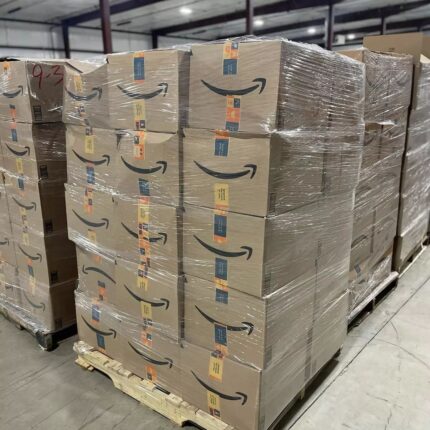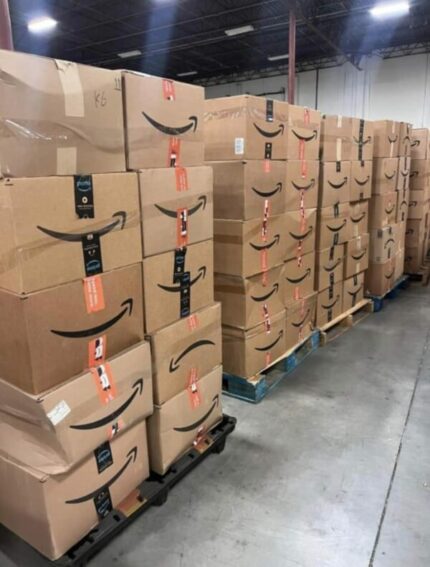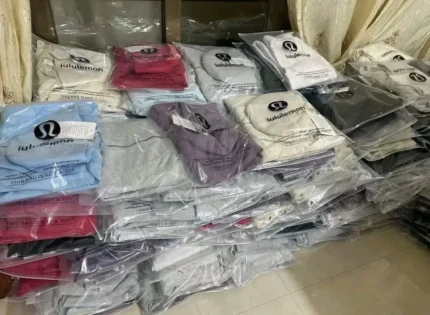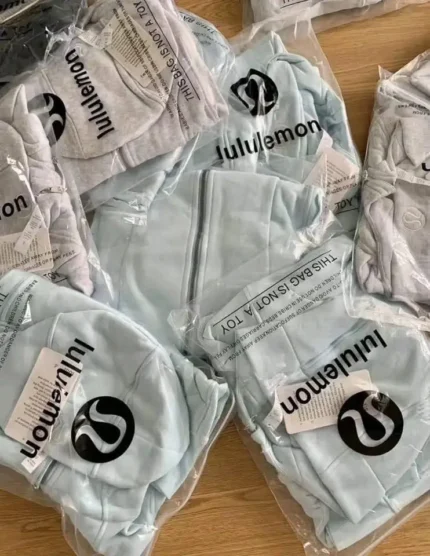

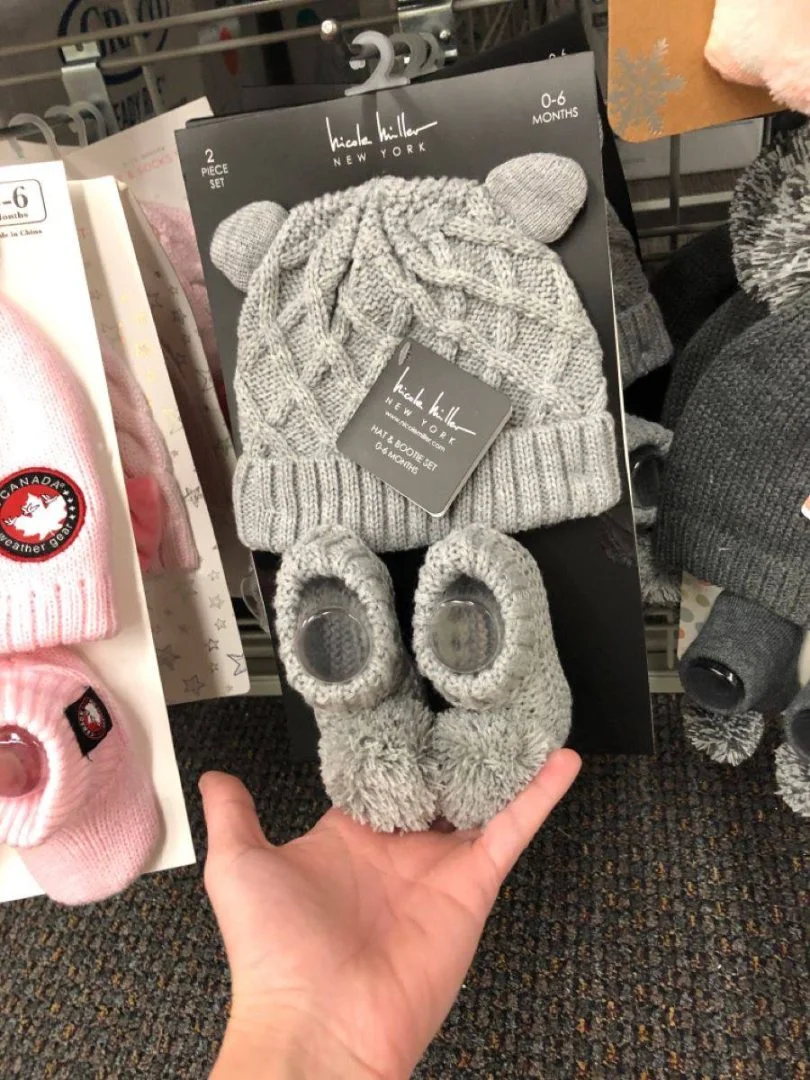
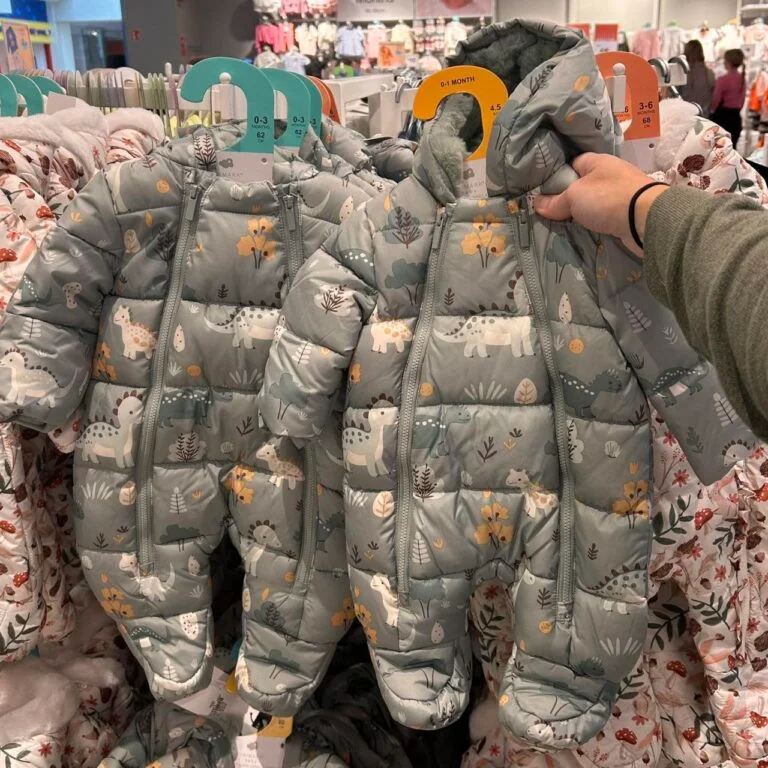
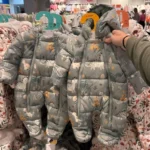
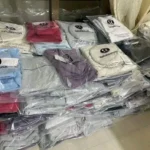

Wholesale Kids Clothing Pallet (200 Pieces)
$450.00
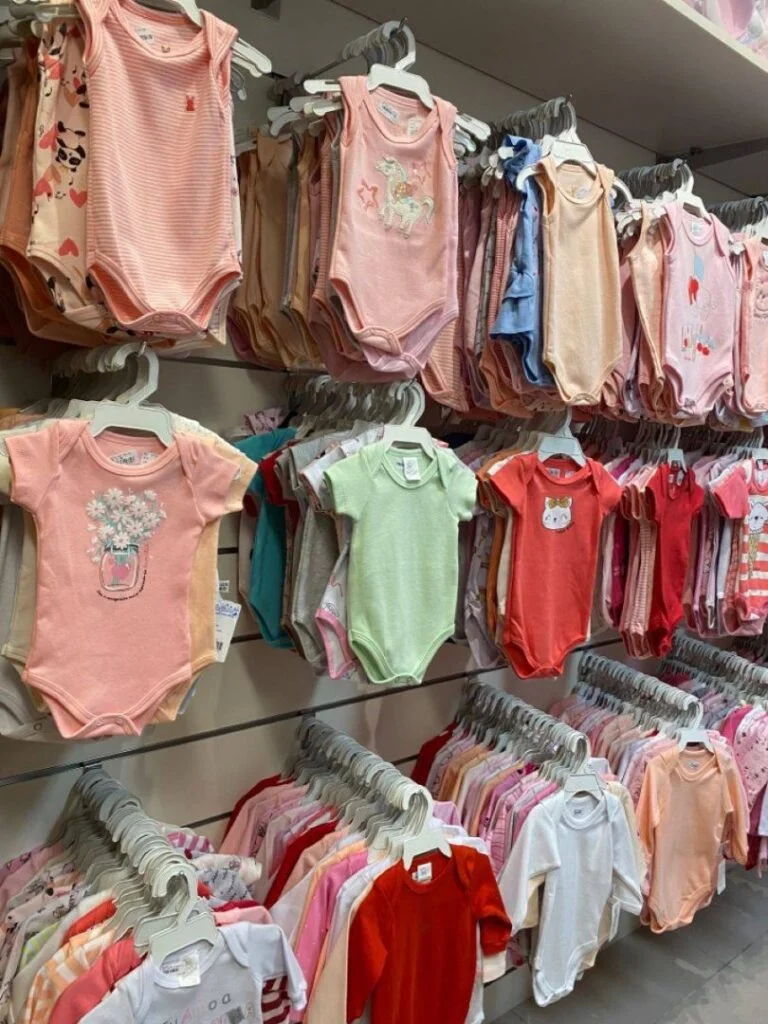
Premium Kids & Baby Clothing in Bulk. Approximately 200 Brand-New Pieces with Tags. May Include Popular Brands Such as H&M, Carter’s, Adidas, MORI, Monica & More. Mixed Boys’ and Girls’ Clothing in Assorted Sizes, Colors & Styles. Sealed, Professionally Packed & Ready for Resale. Wholesale Pricing.
Wholesale Kids Clothing: Bulk Buying, Suppliers, and Clothing Pallets
Children’s fashion is an important category for boutiques, online stores, department stores, discount retailers, and independent clothing resellers. Parents regularly purchase everyday outfits, school clothes, pajamas, seasonal garments, and special-occasion wear as children grow. For businesses serving this market, wholesale kids clothing offers a way to purchase inventory in larger quantities and develop a product selection for different ages, styles, and budgets.
Buying children’s clothing wholesale can help retailers organize their inventory, compare prices across suppliers, and maintain a consistent selection of popular garments. However, successful bulk purchasing requires more than finding the lowest price. Buyers must consider fabric quality, size consistency, product safety, supplier reliability, delivery costs, and the needs of their target customers.
From infant bodysuits and toddler outfits to school uniforms and children’s jackets, wholesale purchasing can provide access to a wide range of clothing categories. Retailers may purchase directly from manufacturers, work with established distributors, or evaluate mixed apparel lots from liquidation suppliers.
A Wholesale Kids Clothing Pallet may also be an option for businesses looking to acquire a large quantity of garments in one shipment. Before placing an order, buyers should verify the pallet’s contents, clothing condition, size distribution, and total delivered cost.
This guide explains how to source children’s clothing in bulk, evaluate suppliers, select suitable products, and make informed purchasing decisions that support long-term business growth.
Why Buy Children’s Clothing Wholesale? 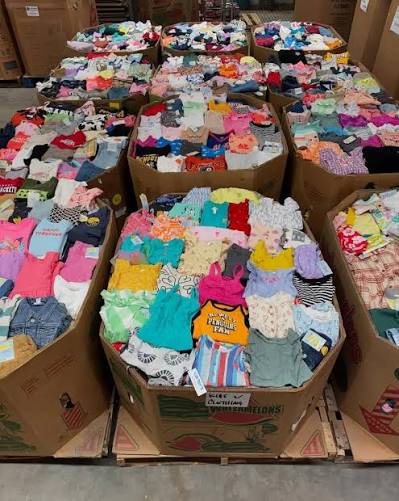
Purchasing children’s clothing in bulk can offer practical benefits for businesses that need regular access to different garments and sizes. The value of a wholesale order depends on the supplier, product quality, quantity, and the speed at which the inventory sells.
1. Access a wider product selection
Wholesale purchasing can help retailers offer multiple clothing categories under one roof. Depending on the supplier, inventory may include baby clothes, toddler outfits, T-shirts, jeans, leggings, dresses, pajamas, jackets, tracksuits, and matching sets.
A varied selection allows customers to find products for everyday wear, school, family events, holidays, and outdoor activities. Retailers should select products according to their customers’ preferences instead of purchasing large quantities of styles without evidence of demand.
2. Potentially reduce the cost per item
Buying clothing by the case, carton, or bulk order may provide a lower unit price than purchasing individual garments at retail prices. This can be beneficial for businesses that sell children’s clothing regularly.
However, the advertised wholesale price is only one part of the calculation. Shipping, import duties, taxes, storage, packaging, and potential defects all affect the final cost. A low-cost order may offer poor value if the sizes are unsuitable or the clothing does not meet customers’ expectations.
3. Maintain stock availability
Parents often need replacement clothing as children grow or as seasons change. Retailers that monitor their best-selling sizes and styles can plan purchases more effectively and reduce the risk of running out of popular items.
A simple inventory system can record the quantity purchased, selling price, size distribution, and rate of sale. These records help businesses decide which products to reorder and which to discontinue.
4. Serve different customer groups
A children’s clothing store may serve parents shopping for newborns, toddlers, preschoolers, school-age children, or teenagers. Each group has different sizing, design, and practical requirements.
For example, infant clothing buyers may prioritize soft fabrics and convenient fasteners, while parents shopping for older children may look for durable school outfits, sportswear, and comfortable casual clothing.
Understanding Children’s Clothes Wholesale Options
The term childrens clothes wholesale covers a broad range of purchasing arrangements, from manufacturer-direct orders to mixed apparel lots. Understanding the differences helps buyers choose the right channel for their business.
Manufacturer-direct purchasing
Buying directly from a clothing manufacturer may allow retailers to specify garment styles, colors, fabrics, labels, and quantities. Some manufacturers also offer private-label production for businesses that want to develop their own clothing brand.
Direct production can require larger minimum order quantities, longer lead times, and more detailed quality checks. Buyers should request samples, confirm production specifications, and agree on acceptable quality standards before authorizing a full order.
Wholesale distributors
Distributors purchase merchandise from manufacturers or other sources and supply it to retailers. They may carry several clothing categories, allowing buyers to combine different products in one order.
This option can be useful for businesses that need ready-made stock without arranging custom manufacturing. Ask about minimum order requirements, available sizes, restocking schedules, and delivery costs.
Liquidation and closeout suppliers
Liquidation suppliers may offer surplus stock, closeouts, shelf pulls, customer returns, or mixed clothing lots. These products can be suitable for discount retailers and resellers that understand how to assess mixed inventory.
However, condition and product selection vary. A liquidation lot may include irregular sizes, older seasonal designs, damaged packaging, or garments that require inspection before resale. Request a manifest and actual photographs whenever possible.
Wholesale Kids Clothing Pallet: What to Check Before Buying
A Wholesale Kids Clothing Pallet can help retailers acquire a substantial quantity of children’s garments in one transaction. The term “pallet” describes a bulk shipping or inventory format; it does not guarantee that every garment is new, from the same brand, or available in a balanced size range.
Before placing an order, evaluate the following factors:
- Inventory manifest: Request an itemized list showing garment categories, quantities, sizes, and condition where available.
- Clothing condition: Confirm whether the garments are new with tags, new without tags, shelf pulls, returns, or used items.
- Size distribution: Check whether the assortment includes a practical range of infant, toddler, and children’s sizes for your target customers.
- Fabric and construction: Inspect stitching, seams, closures, fabric consistency, and general workmanship.
- Supplier documentation: Request invoices, product origin information, and relevant safety or compliance documents.
- Shipping arrangements: Confirm freight costs, delivery estimates, unloading requirements, and responsibility for damaged shipments.
- Return policy: Establish how shortages, incorrect items, and products that differ from the listing will be handled.
Do not base your decision entirely on the advertised retail value of a pallet. Calculate how many garments are realistically sellable at the prices your customers are willing to pay.
How to Choose Kids Wholesale Clothing for Your Store
Choosing kids wholesale clothing requires a clear understanding of your market and the products customers are most likely to purchase.
Select appropriate age categories
Decide whether your business will focus on newborns, infants, toddlers, school-age children, or a combination of these groups. A focused range can make purchasing and stock management easier, particularly for a small business.
If you serve several age categories, allocate inventory according to customer demand. Avoid ordering equal quantities of every size unless your sales history supports that decision.
Consider fabric and comfort
Children need clothing suited to movement, play, rest, and daily activities. Depending on the garment, cotton, cotton blends, and other fabrics may offer different combinations of softness, stretch, durability, and ease of care.
Review fabric composition and care instructions before purchasing. If practical, obtain samples and test them for shrinkage, colorfastness, seam quality, and general comfort before committing to a large production run.
Choose useful designs
Everyday basics such as T-shirts, leggings, shorts, trousers, and simple dresses can complement seasonal items and occasionwear. Matching sets may appeal to gift buyers, while durable school clothing can be attractive to families shopping before a new term.
Use sales records and customer feedback to identify the categories worth expanding. Trend-driven products can create opportunities, but ordering too much of a short-lived trend can leave a business with unsold stock.
Check size consistency
Sizing can vary between manufacturers and markets. Request a size chart with garment measurements rather than relying only on labels such as small, medium, or large.
For larger orders, compare samples against the supplier’s measurements and confirm the expected tolerance for each garment. Consistent sizing helps reduce returns and improves the customer experience.
Finding Reliable Kids Clothing Wholesale Suppliers
Finding dependable kids clothing wholesale suppliers is essential for building a stable inventory and maintaining customer trust. A good supplier should provide clear product information, realistic delivery estimates, and written purchasing terms.
1. Research the supplier’s business history
Check the company’s registered business information, contact details, trading history, and customer feedback where available. If the supplier claims to be a manufacturer, ask whether production takes place at its own facility or through subcontractors.
For larger orders, consider arranging an independent inspection or verifying the business before making a substantial payment.
2. Request samples
Samples allow you to evaluate the fabric, stitching, fit, color, closures, and finishing before ordering in bulk. They can also reveal differences between product photographs and the garments actually supplied.
For custom manufacturing, confirm whether the approved sample will be used as the reference for production quality.
3. Verify children’s product safety
Children’s clothing requires careful attention to safety and applicable regulations. Depending on the market and product category, requirements may cover flammability, chemical content, labels, drawstrings, and small decorative components.
For example, the U.S. Consumer Product Safety Commission provides guidance on clothing textile flammability and other requirements for children’s products. Buyers should review the rules applicable to the specific garments and market rather than assuming that every product requires the same tests. See the CPSC’s guide for resellers. <Cite refs={[“turn491561search12”]}/>
Ask suppliers for relevant, verifiable test reports and documentation. Do not rely on vague statements that all products are “safe” or “certified” without supporting evidence.
4. Compare minimum order quantities
Some manufacturers require large minimum orders per style or color, while distributors may offer smaller quantities across several product categories.
Choose a supplier whose minimum order matches your budget, storage space, and expected sales. A smaller initial order may be more practical for a new retailer than committing to hundreds of units in untested styles.
5. Review payment and delivery terms
Confirm the currency, payment schedule, shipping method, estimated delivery time, and process for resolving shortages or defects. For international orders, establish who is responsible for freight, customs documentation, duties, and taxes.
Keep invoices, quotations, product specifications, and supplier communications organized for future reference.
Children’s Clothing Wholesale for Different Business Models
Childrens clothing wholesale can support several types of businesses, but each model has different purchasing priorities.
Boutiques: Focus on coordinated collections, appealing designs, consistent sizing, and a product range that reflects the store’s identity.
Online stores: Prioritize accurate size charts, reliable product photographs, clear descriptions, and inventory that can be shipped efficiently.
Discount retailers: Consider value-oriented basics, mixed apparel lots, and products with a realistic resale price after all costs.
School uniform suppliers: Confirm fabric durability, color consistency, size availability, and the ability to replenish popular garments throughout the school year.
Baby and family stores: Choose practical garments, check relevant product safety requirements, and make sure labels and care instructions are clear.
Importers and distributors: Evaluate supplier capacity, documentation, shipping arrangements, quality control, and the total landed cost before scaling up.
Choosing Wholesale Childrens Wear That Customers Want
The category wholesale childrens wear includes everyday basics, sleepwear, outerwear, formal outfits, sportswear, and seasonal collections. A strong assortment balances frequently purchased essentials with selected products that add variety.
Start by identifying your main customers and their purchasing habits. Parents may look for clothing that is easy to wash, comfortable for daily wear, and suitable for a child’s activities. Gift buyers may prefer coordinated outfits or attractive sets.
Plan seasonal purchases carefully. Warm-weather clothing should arrive early enough to sell before demand peaks, while coats and heavier garments should be ordered according to the local climate and retail calendar.
Review stock regularly. If certain styles remain unsold, reduce future orders or use appropriate promotions to clear inventory. This prevents cash from becoming tied up in products that customers are no longer seeking.
Understanding Wholesale Childrens Clothing Distributors
Businesses searching for wholesale childrens clothing distributors should compare several providers before committing to a long-term arrangement.
A distributor may offer ready-to-ship products, multiple brands, or consolidated shipments across different garment categories. This can simplify purchasing, particularly for retailers that do not have the resources to manage direct manufacturing.
Ask each distributor about:
- Product categories and available sizes.
- Minimum order requirements and quantity discounts.
- Replenishment availability and lead times.
- Quality inspection procedures.
- Returns, replacements, and damaged stock.
- Delivery costs and international shipping options.
- Documentation for product safety and labeling.
A supplier’s ability to provide consistent stock can be more valuable than a one-time low price. Compare the full purchasing terms and assess how well the supplier can support your business as it grows.
How to Calculate the Cost of Bulk Children’s Clothing
When evaluating kids clothes wholesale, calculate the landed cost per sellable garment instead of comparing the invoice price alone.
For example, imagine a retailer purchases 200 garments for $600 and pays another $150 for shipping and other acquisition expenses. The total landed inventory cost is $750, or $3.75 per garment if all 200 pieces are sellable.
If the retailer sells each garment for an average of $8, gross sales would total $1,600. The difference between gross sales and the $750 inventory cost is $850 before payment fees, packaging, marketing, labor, taxes, returns, and other operating expenses.
These figures are illustrative, not a supplier quotation or a guarantee of profit. If some items are damaged or unsuitable for resale, the effective cost of the remaining garments increases.
Use conservative estimates for selling prices and stock turnover. A profitable wholesale purchase should leave enough margin to cover operating costs while remaining competitive for customers.
Frequently Asked Questions
Is wholesale kids clothing suitable for a new business?
Yes, if you begin with a manageable order and carefully evaluate the supplier, garment quality, size range, and expected demand. Testing a small quantity can help you avoid committing too much money to unproven products.
Are children’s clothing pallets always new?
No. Depending on the supplier, a pallet may contain new merchandise, overstock, shelf pulls, customer returns, or mixed-condition garments. Confirm the condition and quantity in writing before purchasing.
How do I find reliable children’s clothing wholesalers?
Research suppliers, request samples, compare written quotations, verify relevant documentation, and check the terms for shipping and returns. For substantial orders, consider independent inspection.
What is the most important factor when buying children’s clothing in bulk?
There is no single factor for every business, but product safety, quality, supplier reliability, appropriate sizing, and total cost are all essential. Low prices should never replace necessary safety and quality checks.
Can I resell wholesale children’s clothing online?
You can explore online resale, subject to applicable laws, product requirements, supplier terms, and platform policies. Use accurate descriptions and disclose the garment’s condition and material information.
Conclusion
Wholesale kids clothing provides retailers, boutiques, online sellers, and distributors with an opportunity to build a children’s apparel inventory in larger quantities. The right sourcing strategy depends on your customers, budget, product quality requirements, and ability to manage stock effectively.
Whether you are exploring childrens clothes wholesale, kids wholesale clothing, childrens clothing wholesale, or childrens wholesale clothing, verify suppliers and compare the total delivered cost before placing a large order. A Wholesale Kids Clothing Pallet may be useful for certain businesses, but its contents, size distribution, and condition should always be checked carefully.
Choose reliable kids clothing wholesale suppliers, evaluate wholesale childrens wear, and compare wholesale childrens clothing distributors based on documented quality, delivery reliability, and clear commercial terms. By focusing on suitable products, child safety, accurate sizing, and disciplined inventory planning, you can build a stronger children’s clothing business that serves customers confidently and sustainably.
Related products